Table of Contents
- – Recognizing Stress And Anxiety Through a Neuro...
- – The Critical Importance of Correct ADHD Checki...
- – Trauma Treatment That Recognizes Neurodivergen...
- – Somatic Therapy: Recovering With the Body's Wi...
- – Resolving Burnout in Neurodivergent Communities
- – What Neurodivergence-Affirming Treatment Reall...
- – Discovering the Right Restorative Fit
- – The Course Toward Authentic Healing
The intersection of anxiousness, injury, and neurodivergence produces an one-of-a-kind therapeutic landscape that demands specialized understanding. For individuals that've invested years feeling misinterpreted by standard mental health strategies-- specifically those browsing ADHD, autism, or various other neurodivergent experiences-- finding absolutely attesting treatment can really feel like looking for refuge. Line Up and Encourage Treatment represents a growing activity toward restorative solutions that recognize neurological variety while resolving the actual battles of stress and anxiety, injury, and exhaustion.
https://www.alignandempowertherapy.com/transitions-therapyRecognizing Stress And Anxiety Through a Neurodivergent Lens
Anxiety doesn't show consistently across all brains. For neurodivergent people, what shows up as generalized anxiousness typically comes from nervous system dysregulation, sensory bewilder, or the advancing impact of concealing authentic neurological patterns to fit neurotypical assumptions. This difference matters greatly when choosing therapeutic techniques.
Traditional anxiousness treatment often highlights cognitive restructuring-- challenging and altering thought patterns. While valuable for some, this strategy can fail for neurodivergent clients whose anxiousness emerges not from distorted thinking however from real environmental incompatibility or the exhaustion of browsing a world developed for different neurological circuitry. Neurodivergence-affirming anxiousness therapy acknowledges these realities rather than pathologizing all-natural reactions to aggressive or incompatible settings.
Practices focusing on neurodivergent-affirming treatment recognize that anxiety therapy should account for executive feature differences, sensory processing variants, and the effect of life time experiences of being misinterpreted or dismissed. This implies adjusting restorative pacing, communication designs, and intervention techniques to match specific neurological accounts instead than expecting customers to comply with standardized procedures.
The Critical Importance of Correct ADHD Checking and Assessment
ADHD stays among one of the most misunderstood and underdiagnosed problems, particularly in women, people of shade, and people who developed sophisticated concealing methods during youth. Lots of grownups seek treatment for anxiousness or clinical depression without identifying that unattended ADHD underlies their battles. Comprehensive ADHD screening gives clearness that changes treatment approaches and self-understanding.
Quality ADHD analysis extends much beyond the stereotyped hyperactive kid model. Comprehensive analysis examines executive feature across multiple domain names-- functioning memory, emotional guideline, job initiation, time assumption, and continual attention. It takes into consideration just how ADHD shows up in different ways across sexes, ages, and co-occurring problems, acknowledging that inattentive-type ADHD regularly runs away detection till the adult years when increasing demands overwhelm coping mechanisms.
The value of proper ADHD screening lies not in labeling but in recognition and direction. Clients report extensive relief when years of perceived individual failing reframe as neurological difference requiring accommodation instead of moral improvement. Checking opens up doors to drug analysis, workplace accommodations, connection changes, and restorative interventions particularly designed for ADHD minds as opposed to common techniques that inadvertently increase embarassment and irritation.
Line Up and Empower Treatment's emphasis on detailed assessment shows comprehending that accurate diagnosis fundamentally modifies treatment pathways. Anxiety therapy for someone with undiagnosed ADHD that implements organizational systems created for neurotypical brains will fail repeatedly, deepening despondence. Alternatively, anxiousness treatments that make up ADHD-specific difficulties-- such as time blindness, denial sensitivity, or sensory overwhelm-- produce sustainable modification.
Trauma Treatment That Recognizes Neurodivergent Experiences
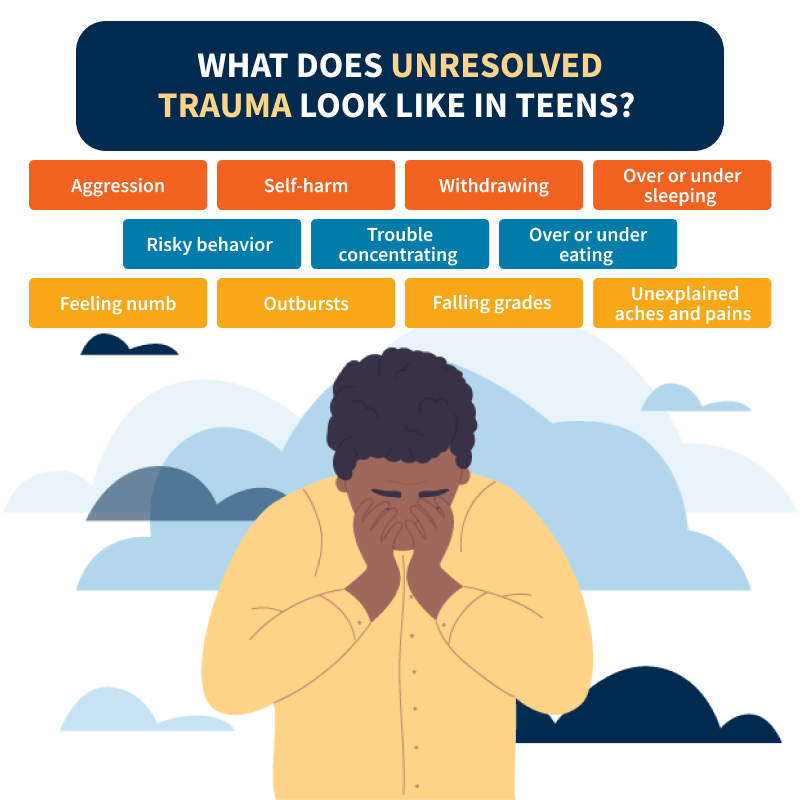
Neurodivergent individuals experience overmuch high rates of injury, frequently starting in youth when distinction satisfies misconception, penalty, or outright misuse. The trauma of forced compliance, duplicated failings in systems developed for various brains, bullying, social exclusion, and invalidation by caretakers or specialists produces facility wounding that requires specialized restorative focus.
Trauma treatment for neurodivergent clients have to browse extra intricacy. Standard trauma processing techniques may need modification for individuals with executive feature obstacles, sensory level of sensitivities, or interaction distinctions. The inflexible structure of some evidence-based injury methods can feel constraining or setting off to neurodivergent nerve systems, demanding adaptability and creativity from specialists.
Neurodivergence-affirming injury treatment acknowledges that some "" signs and symptoms"" traditional strategies target for elimination in fact stand for adaptive coping mechanisms for neurodivergent individuals browsing neurotypical-dominated settings. The objective changes from normalization to empowerment-- aiding clients process genuine trauma while attesting neurological authenticity and structure atmospheres where concealing comes to be unneeded for survival.
Somatic Therapy: Recovering With the Body's Wisdom
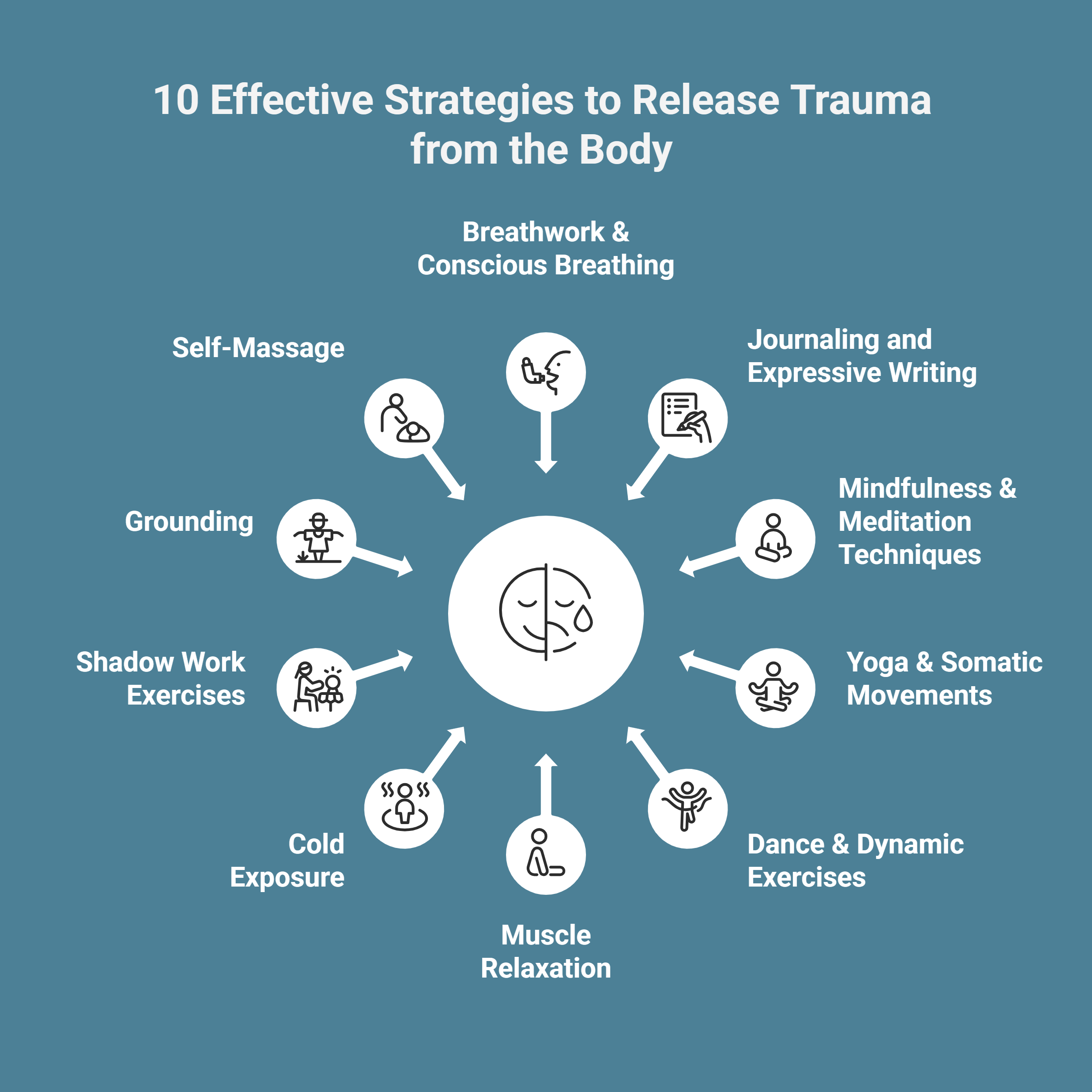
Somatic treatment uses especially effective devices for stress and anxiety and injury treatment, particularly for neurodivergent individuals that might experience interference in between cognitive recognition and bodily experience. This body-centered approach identifies that trauma and stress and anxiety lodge in the anxious system, not just in thoughts or memories, calling for interventions that involve the body directly.
For clients with alexithymia-- problem determining and explaining feelings, typical in autism and ADHD-- somatic strategies provide alternative pathways to recovery that do not depend heavily on verbal psychological handling. Methods like body scanning, breathwork, motion, and sensory understanding create possibilities for nerves law without demanding abilities that may feel unattainable.
Somatic experiencing, polyvagal-informed therapy, and sensorimotor psychiatric therapy aid clients recognize their nervous system reactions-- battle, flight, freeze, or fawn-- as smart survival devices instead of personal weak points. This reframe shows particularly useful for neurodivergent customers who've internalized shame about sensory sensitivities, meltdowns, closures, or other nerves reactions that neurotypical-centered therapy may pathologize.
The combination of somatic techniques enables clients to establish interoceptive awareness-- the capability to feeling inner physical states-- which supports emotional law, boundary-setting, and genuine decision-making. For individuals whose neurodivergence consists of sensory processing differences, directed somatic job supplies tools for comparing ecological overwhelm, anxiousness, injury activation, and various other interior states that may or else blur with each other confusingly.
Resolving Burnout in Neurodivergent Communities
Autistic fatigue and ADHD exhaustion represent unique phenomena from basic work-related exhaustion, characterized by loss of functioning, boosted sensory level of sensitivity, trouble with previously workable tasks, and deep exhaustion that rest alone does not resolve. These states arise from extended masking, sensory overload, executive feature needs exceeding ability, and the cumulative toll of navigating neurotypical assumptions without appropriate support.
Burnout recovery needs even more than anxiety monitoring techniques. It demands basic restructuring of expectations, environments, and power expense patterns. Treatment practices that comprehend neurodivergent exhaustion aid clients examine their lives for unsustainable patterns-- people-pleasing, perfectionism, overcommitment, or masking neurological differences-- and establish lasting techniques lined up with real capacity as opposed to internalized ableist standards.
Recuperation from neurodivergent burnout usually involves grieving-- grieving the person you believed you must be, the occupation path that showed inappropriate, the partnerships that needed way too much masking, or the shed years invested trying to function like someone with various neurology. Affirming therapy holds room for this pain while supporting customers in developing lives that honor neurological needs instead of battling them.
What Neurodivergence-Affirming Treatment Really Indicates
The term "" neurodivergence-affirming"" carries significant weight in healing contexts, distinguishing strategies that honor neurological differences from those that pathologize or seek to remove them. Attesting care recognizes autism, ADHD, dyslexia, and various other neurological variations as natural human variety instead than problems requiring treatment.
ConnecticutVirtually, this materializes in several methods. Affirming therapists avoid Applied Habits Evaluation (ABA) and other compliance-based interventions that prioritize neurotypical appearance over autistic wellness. They recognize stimming as self-regulation as opposed to habits requiring elimination. They comprehend meltdowns as anxious system bewilder instead of adjustment. They verify the exhaustion of covering up rather than motivating much more sophisticated camouflage.
Neurodivergence-affirming treatment also deals with the particular psychological health and wellness obstacles that emerge from residing in neurodivergent bodies within neurotypical-centered culture. This consists of supporting customers via diagnosis grief, identity restoration, disclosure choices, accommodation requests, and the complicated navigating of systems-- healthcare, education and learning, employment-- frequently aggressive to neurological difference.
Discovering the Right Restorative Fit
Choosing a therapist for anxiousness, trauma, or fatigue treatment requires mindful factor to consider when neurodivergence variables right into the formula. Past credentials and field of expertises, fit entails evaluating whether therapists show genuine understanding of neurodivergent experiences versus superficial knowledge with analysis requirements.
Trick inquiries expose restorative alignment: Does the therapist sight neurodivergence with a clinical version concentrated on shortages, or via a neurodiversity standard recognizing different however valid ways of being? Do they urge covering up to decrease anxiousness, or discover exactly how forced masking creates anxiety? Can they distinguish between symptoms calling for treatment and all-natural neurodivergent attributes needing lodging?
ConnecticutLine Up and Empower Treatment's method exhibits the combination of trauma-informed, somatic, and neurodivergence-affirming techniques-- a mix progressively acknowledged as vital for efficient therapy of stress and anxiety and trauma in neurodivergent populaces. This integrated structure acknowledges that lasting recovery calls for dealing with both traumatic experiences and the continuous stress and anxiety of navigating globe systems misaligned with neurological requirements.
The Course Toward Authentic Healing
https://www.alignandempowertherapy.com/intensives-executive-functioningEfficient treatment for anxiety and injury in neurodivergent individuals develops room for authentic selfhood instead than proceeded consistency. It confirms the knowledge of nerve system responses while building guideline capacity. It refines genuine injury without pathologizing neurological difference. It identifies that some battles stem not from interior pathology but from outside systems requiring modification.
The journey towards healing entails unlearning internalized ableism, reconnecting with genuine needs and preferences, creating self-compassion for neurological differences, and building lives lined up with real capacity rather than imposed assumptions. It needs specialists that see neurodivergent clients as specialists in their own experiences, worthwhile of lodging as opposed to improvement.

For people looking for treatment that honors neurological variety while dealing with real suffering-- whether from stress and anxiety, trauma, burnout, or the advancing weight of lifetime misconception-- neurodivergence-affirming practices provide greater than symptom decrease. They supply the possibility of living authentically, regulated nervous systems, and the advanced experience of being truly understood.

Table of Contents
- – Recognizing Stress And Anxiety Through a Neuro...
- – The Critical Importance of Correct ADHD Checki...
- – Trauma Treatment That Recognizes Neurodivergen...
- – Somatic Therapy: Recovering With the Body's Wi...
- – Resolving Burnout in Neurodivergent Communities
- – What Neurodivergence-Affirming Treatment Reall...
- – Discovering the Right Restorative Fit
- – The Course Toward Authentic Healing
Latest Posts
Treating Waterloo, Ontario Multicultural Residents During Couples therapy Programs
Non-Ordinary Consciousness in Clinical Settings
Policy Landscape of Psilocybin-Assisted Psychotherapy in Santa Fe, NM
Navigation
Latest Posts
Treating Waterloo, Ontario Multicultural Residents During Couples therapy Programs
Non-Ordinary Consciousness in Clinical Settings
Policy Landscape of Psilocybin-Assisted Psychotherapy in Santa Fe, NM